
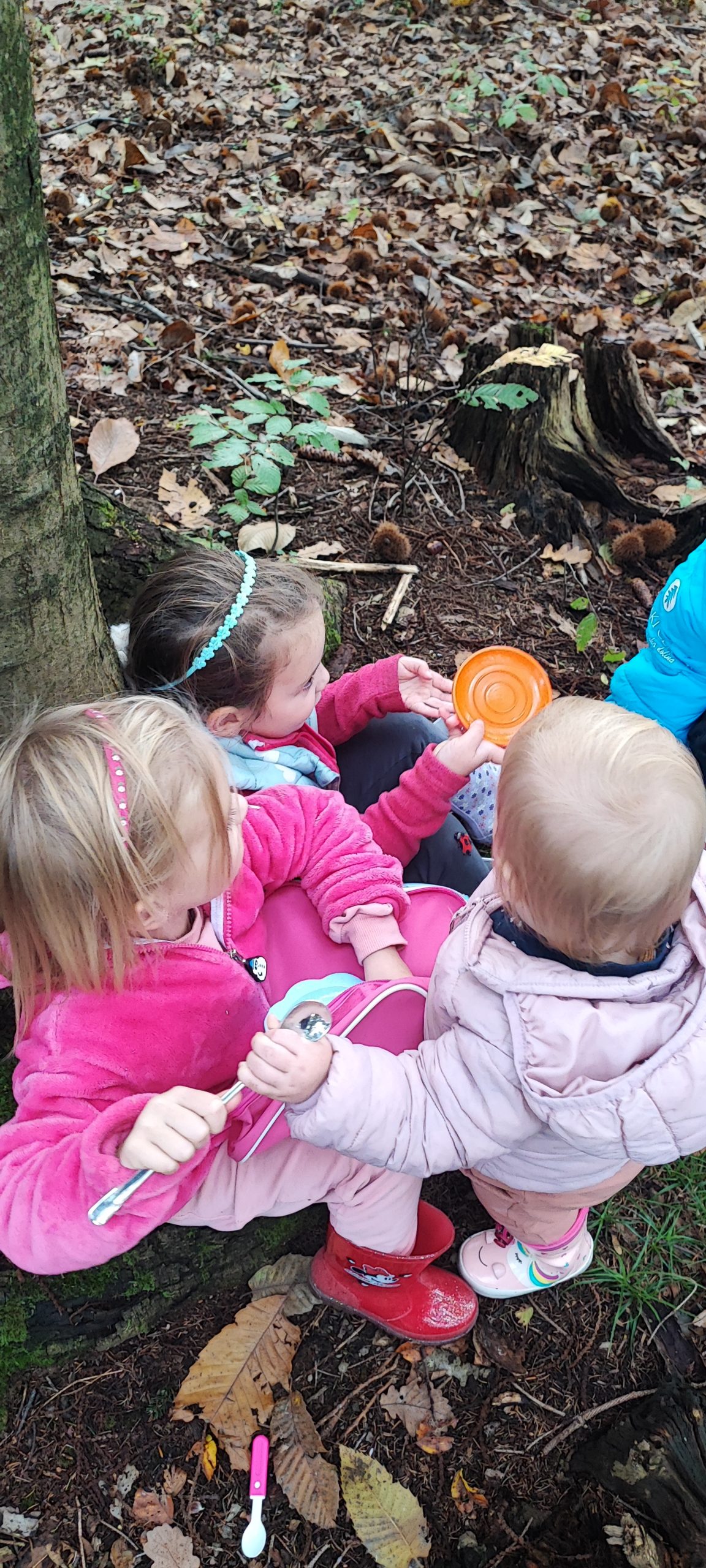
Autumn days are a great opportunity to encourage exercise in children, offering a beautiful natural environment and opportunities for a wide range of activities.
The importance of child movement
Movement is key to a child's holistic development. In addition to physical growth, it helps improve motor skills, social skills and emotional stability.
- Physical development: Regular exercise strengthens muscles, bones and improves balance. Children learn basic movement skills through activity, which is important for their health and well-being.
- Cognitive development: Movement also stimulates cognitive processes. Activities involving movement improve attention, memory and problem-solving skills.
- Social skills: Through group games, children learn to cooperate, communicate and resolve conflicts. These skills are the basis for their later relationships.
- Emotional stability: Movement is a great way to release stress and tension. Children who move regularly often show greater satisfaction and self-confidence.
- Healthy lifestyle: Learning the importance of exercise at a young age lays the foundations for a healthy lifestyle in adulthood. Active children tend to be healthier, which reduces the risk of various diseases.
-
Developing habits: Regular activity helps children develop healthy habits such as discipline and perseverance, which are useful in all aspects of life.
Autumn activities for exercise
Autumn days offer many opportunities to be active outdoors. Here are some ideas:
- Hiking and nature explorationDescription : Autumn is the ideal time for hiking. Organise family trips into nature where children can explore forests, observe changes in nature and learn about plants and animals.
- Games in the foliage: Collect autumn leaves and play. Children can jump in the leaf pile, build "houses" with twigs or simply enjoy playing outdoors.
- Cycling: Autumn is a great time for cycling. Choose cycling routes through picturesque landscapes where you can enjoy the colourful autumn hues.
- Sports games: Organise sports games such as football, basketball or volleyball in a local playground. Less formal games like throwing a Frisbee or learning new motor skills are also great.
- Learning through movement: Use autumn themes for games involving movement. For example, the game "Autumn Search", where children search for different autumn objects (chestnuts, hazelnuts, leaves) and move around.
- Visit farmsAutumn is harvest time. Visit local farms where children can take part in activities such as harvesting, pumpkin picking or corn maze walks.
Promoting active lifestyles
- Parental example: Parents should be actively involved in activities and set an example for their children. Family activities such as hiking, cycling or playing games strengthen bonds and promote a healthy lifestyle.
- Diversity: Different activities keep children interested. Encourage them to try new sports or games, which will help develop different motor skills.
- Involving friends: Encourage children to invite friends to join in activities. Group games and activities increase motivation and promote social interaction.
Autumn days offer many opportunities for exercise that are both fun and educational. By encouraging outdoor activities, you are not only looking after children's physical health, but also enabling them to develop important social and emotional skills.
Sabina, social pedagogue